
What Is a Chiller Van and How Does It Work?
What Is a Chiller Van and How Does It Work?
Have you ever wondered how your fresh groceries, medicines, and frozen foods reach stores in perfect condition, even in scorching heat? The answer lies in specialized vehicles that have revolutionized the cold chain logistics industry—chiller vans.
These mobile refrigeration units are the unsung heroes keeping our food fresh, our medicines effective, and our perishable goods safe during transit.
Understanding Chiller Vans: The Basics
A chiller van, also known as a refrigerated van or reefer van, is a specially designed vehicle equipped with an integrated cooling system that maintains specific temperature ranges during transportation.
Unlike regular cargo vans, these chiller vehicles feature insulated cargo areas and refrigeration units that can keep contents cold or frozen, regardless of external weather conditions.
These versatile vehicles have become indispensable in modern supply chains, particularly in regions with extreme climates like the UAE, where maintaining the cold chain is crucial for business operations and consumer safety.
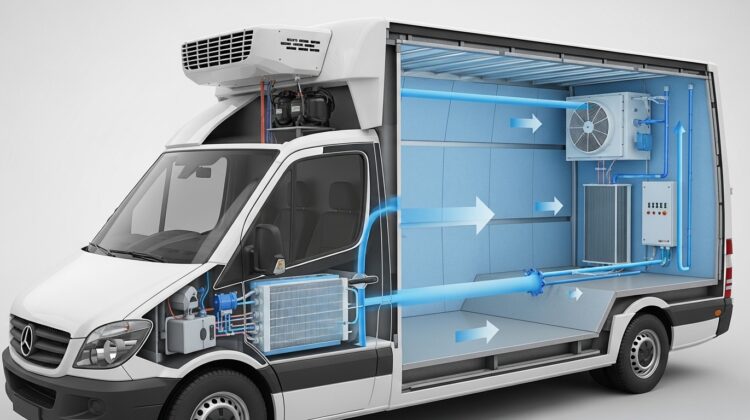
The Anatomy of a Chiller Vehicle
Insulated Cargo Space
The foundation of any effective chiller van is its insulated cargo compartment. The walls, floor, and ceiling are constructed with high-density insulation materials, typically polyurethane foam sandwiched between inner and outer panels.
This insulation creates a thermal barrier that prevents external heat from penetrating the cargo area and stops internal cold air from escaping.
The thickness of insulation varies depending on the van’s intended use, with some heavy-duty models featuring insulation up to 100mm thick for maximum temperature retention.
Refrigeration Unit
At the heart of every chiller van is its refrigeration system. Most modern chiller vehicles use one of two main types of cooling units:
Engine-Driven Systems: These units are powered directly by the vehicle’s engine through a belt-driven compressor. They’re fuel-efficient and reliable for longer journeys but only work when the engine is running.
Electric Standby Units: These independent refrigeration systems run on electricity and can operate even when the vehicle is stationary. They’re ideal for multiple delivery stops or overnight parking situations.
Temperature Control Systems
Advanced chiller vans feature sophisticated digital temperature control panels that allow drivers and operators to monitor and adjust internal temperatures precisely.
Modern systems can maintain temperatures ranging from -25°C for frozen goods to +15°C for chilled items, with accuracy typically within ±0.5°C.
Many contemporary chiller vehicles also include data logging capabilities, recording temperature fluctuations throughout the journey to ensure compliance with food safety regulations and quality standards.
How Does a Chiller Van Actually Work?
The refrigeration process in a chiller van operates on the same fundamental principles as your home refrigerator, but on a larger, more robust scale.
The Refrigeration Cycle
Compression: The process begins with the compressor, which pressurizes refrigerant gas, causing it to heat up significantly.
Condensation: This hot, high-pressure gas flows through the condenser (usually located outside the cargo area), where it releases heat to the surrounding air and transforms into a high-pressure liquid.
Expansion: The liquid refrigerant passes through an expansion valve, where pressure drops dramatically, causing the refrigerant to become extremely cold.
Evaporation: This cold refrigerant flows through evaporator coils inside the cargo compartment, absorbing heat from the air. As it absorbs heat, the refrigerant evaporates back into a gas and returns to the compressor to restart the cycle.
Air Circulation
Proper air circulation is crucial for maintaining uniform temperatures throughout the cargo space. Chiller vans use fans to circulate cold air around the cargo, ensuring every corner of the compartment stays at the desired temperature.
Strategic placement of goods allows air to flow freely, preventing hot spots and ensuring consistent cooling.
Types of Chiller Vans and Their Applications
Light-Duty Chiller Vans
These smaller vehicles, often based on compact van chassis, are perfect for urban deliveries, restaurant supplies, and pharmaceutical distribution. They typically maintain temperatures between 0°C and 8°C and are ideal for businesses making multiple short-distance deliveries.
Medium-Duty Refrigerated Vehicles
Built on larger van or small truck platforms, these chiller vehicles offer greater cargo capacity while maintaining excellent temperature control. They’re commonly used for supermarket deliveries, catering services, and regional distribution.
Heavy-Duty Chiller Trucks
While technically beyond the van category, these large refrigerated vehicles handle bulk transportation of frozen and chilled goods across long distances. They can maintain multiple temperature zones simultaneously, accommodating different product requirements in one journey.
Key Benefits of Using Chiller Vans
Product Integrity: Maintaining consistent temperatures preserves the quality, taste, freshness, and nutritional value of perishable goods throughout transportation.
Regulatory Compliance: Chiller vehicles help businesses meet strict food safety regulations and pharmaceutical transport requirements, avoiding costly violations and product recalls.
Extended Reach: With reliable temperature control, businesses can expand their delivery radius without compromising product quality, opening new market opportunities.
Reduced Waste: Proper temperature management minimizes spoilage and product loss, improving profitability and reducing environmental impact.
Brand Reputation: Delivering fresh, high-quality products consistently builds customer trust and strengthens brand reputation in competitive markets.
Maintaining Your Chiller Van
Regular maintenance is essential for optimal performance. Key maintenance tasks include checking refrigerant levels, inspecting door seals for air leaks, cleaning condenser and evaporator coils, calibrating temperature sensors, and servicing the compressor according to manufacturer specifications.
Preventive maintenance not only extends the lifespan of your chiller vehicle but also ensures uninterrupted cold chain integrity, protecting both your cargo and your business reputation.
Choosing the Right Chiller Van for Your Business
When selecting a chiller vehicle, consider factors such as cargo volume requirements, typical journey distances, frequency of delivery stops, temperature range needs, fuel efficiency expectations, and your budget constraints. Consulting with experienced transport providers can help identify the most suitable solution for your specific operational needs.
The Future of Chiller Vans
The refrigerated transport industry continues evolving with innovations like eco-friendly refrigerants, solar-powered auxiliary systems, IoT-enabled real-time monitoring, and electric chiller vans for zero-emission deliveries. These advancements are making cold chain logistics more sustainable and efficient than ever before.
Conclusion
Chiller vans represent a critical component of modern logistics infrastructure, ensuring that temperature-sensitive products reach their destinations in perfect condition. Understanding how these specialized vehicles work helps businesses make informed decisions about their cold chain transportation needs.
Whether you’re in the food industry, pharmaceuticals, or any sector requiring temperature-controlled transport, investing in quality chiller vehicles with proper maintenance practices is essential for operational success.
For businesses across the UAE seeking reliable temperature-controlled transportation, Abid Transport offers professional chiller van services equipped with state-of-the-art refrigeration systems and maintained to the highest standards.
With expertise in handling diverse temperature-sensitive cargo—from fresh produce and dairy products to pharmaceuticals and frozen foods—Abid Transport ensures your valuable goods arrive in optimal condition, every single time.
Our commitment to cold chain integrity, combined with our fleet of modern chiller vehicles and experienced drivers, makes us the trusted partner for businesses that refuse to compromise on quality.